PODCAST
SEASONS

Season 5
LIVE JULY 2026
Season Focus: Apprenticeships
Host: Marc Goldberg
Episodes: 12

APPRENTICESHIPS
“for every $1.00 invested, employers gained $1.40 - $1.90 in return”
The average net return on investment (ROI) is 65%
U.S. Department of Labor study on Registered Apprenticeships
The current season of the podcast focuses on apprenticeships—the original “earn-and-learn” model integrating on-the-job experience, related instruction, a stepped paycheck, and a job from day one. While historically effective at expanding career access and building employer talent pipelines, the scale of U.S. apprenticeships has remained limited. Recent federal and state initiatives aim to expand these programs beyond traditional trades into high-growth sectors like healthcare, education, business, and manufacturing.
Research consistently confirms a strong return on investment for both sides. A U.S. Department of Labor study on Registered Apprenticeships reveals that for every $1.00 invested, employers gain $1.40 to $1.90 in return. Employers also report significant indirect benefits, including enhanced company culture (96%), a stronger talent pipeline (91%), increased employee loyalty (91%), higher co-worker productivity (87%), and decreased turnover (81%). Furthermore, data from the American Apprenticeship Initiative Evaluation shows that apprentices experience nearly triple the wage growth (43%) of comparable workers (16%).
This season features in-depth interviews with current and former apprentices across various sectors and regions, highlighting their firsthand experiences and recommendations for growth. To balance these insights, conversations with executives from program sponsors, intermediaries, training entities, and employers will offer leadership perspectives on how to successfully scale the future of apprenticeships.

Season 4
Season Focus: Adult Education Pathways
Host: Marc Goldberg

“there are over 27.5 million Americans
18 and older who lack a high school equivalency”
which is 10.5% of the US population of this age range
According to the US Census American Community Survey
The fourth season of the podcast featured students who began their educational journey enrolling in adult education coursework improving English language skills and/or working towards their high school equivalency before or simultaneously while taking college workforce, CTE, or transfer classes. Since all 17 of Oregon community colleges offer adult education courses, as most community colleges do across the country, these programs are an important entry point to postsecondary education for certain populations that have been historically marginalized in our society - from those who weren’t able to complete their high school education at a traditional age, to English language learners, to justice-impacted individuals. Adult education programs help learners build the foundational skills on a pathways to meaningful credentials creating access to good jobs and careers with economic mobility. Additionally, as community colleges shift their enrollment strategies towards adult populations, adult education programs can be a dynamic strategy as the entry point for a significant number of adults who could benefit from postsecondary education and credentials.
According to the US Census American Community Survey, there are over 27.5 million Americans 18 and older who lack a high school equivalency, which is 10.5% of the US population of this age range. Without some postsecondary education, job opportunities are very limited for these Americans. The Georgetown University Center on Education and the Workforce has indicated that 72% of jobs by 2031 will require some postsecondary education and/or training. In another report, the Center on Education and Workforce projects that 85% of good jobs by that same year will require more than a high school equivalency. So adult education programming, particularly at community colleges, provides the skill development and pathways to college credentials and strong employment opportunities.
Community college students and graduates interviewed on the podcast this season describetheir adult education experiences and the important role it played in their academic and career journey. College presidents and state and national policy leaders reflect on the student conversations and share the value of adult education programs to their institutions and alignment to state educational attainment goals, workforce priorities and investment and beyond.
Season 3
Season Focus: Nondegree Credentials of Value
Host: Marc Goldberg

“78% of those with community college nondegree credentials indicating it was worth the cost”
70% of graduates indicated that their education made them an attractive job candidate
Strada Education Network in the Examining the Value of Nondegree Credentials report
Continuing to amplify the voices of adult learners at community college similar to the first two seasons of the podcast, Season 3 concentrated on a program design that has created more accessible pathways to careers with economic mobility and meaningful academic milestones and momentum points - nondegree credentials of value. Current students and recent graduates of various non-degree credential programs offered insights on how these programs have met their needs through program design, financial resources available to students, coaching/ navigation and faculty support, and employer and community partnerships leading to job opportunities and further postsecondary credentials.
Quality nondegree credentials have garnered even more interest and momentum recently with the passage of Workforce Pell legislation, increasing access to additional quality nondegree credential programs for students. Recent research has validated student interest in these academic pathways with stackable non-degree credentials. According to Strada Education Network in the Examining the Value of Nondegree Credentials report, college graduates who gained a nondegree credential with their degree had substantially higher ratings of their education than those without a nondegree credential. 70% of graduates who had an associate degree and nondegree credential indicated that their education made them an attractive job candidate relative to 43% of those with an associate degree and no nondegree credentials. Additionally, students rated nondegree credentials issued by community colleges as the highest in quality and value with 78% of those with community college nondegree credentials indicating it was worth the cost compared to 54% of learners with a nondegree credential from an individual business or company. Lumina Foundation and the Education and Employment Research Center at Rutgers University also interviewed nondegree credential students from three community colleges and identified in their research that affordability and accessibility (i.e. short-term, convenient scheduling, immediate start date) drew returning adult students to quality nondegree credential programs.
With funding from the Lumina Foundation for the third season, the All In podcast was able to expand the scope and interview students from nondegree credential programs not just in Oregon but in other states as well. Students accessed quality nondegree credential programs across various industry sectors and shared how this program design met their needs. College presidents and national and state policy experts and advocates for nondegree credential programs also offered their perspectives on the value of nondegree credential programs and react to the student interviews.
Season 2
Season Focus: Job Quality
Host: Marc Goldberg
Episodes: 12

“a random sample of over 18,000 US workers, only 40% of these workers indicated having “quality jobs”
American Job Quality Study: 2025 State of the US Labor Force conducted by Jobs for the Future, the Families & Workers Fund, the W.E. Upjohn Institute and Gallup
The theme for season two of the podcast is job quality, a common issue raised by students during the first season of the podcast, and a key driver for students in enrolling in college and pursuing postsecondary credentials. Community colleges have tremendous responsibility in ensuring they design career pathways programs that prepare students for careers with economic mobility. According to the American Job Quality Study: 2025 State of the US Labor Force conducted by Jobs for the Future, the Families & Workers Fund, the W.E. Upjohn Institute and Gallup, of a random sample of over 18,000 US workers, only 40% of these workers indicated having “quality jobs” based on five job quality dimensions related to 1) fair pay and benefits that meet basic needs, 2) safe and respectful workplaces, 3) opportunities for skill development and advancement, 4) input and influence in decision making, and 5) stable and predictable work schedules. Colleges should prioritize partnering with regional employers that offer these job quality dimensions and make sure that the college fulfills these job quality elements as an employer as well.
Podcast episodes this season invite community college graduates from Career Technical Education and Workforce Development programs across Oregon who have found employment in their field of study to share their own definitions of job quality and how their current employment matches up to their definition relative to other jobs they have had. College presidents reflect on the student interviews and elaborate on their own perspectives on job quality related to employer partnerships in the community and for the college itself. Executives from the employers that have hired the community college graduates interviewed on the podcast also describe what job quality means to them and their company and share the value of partnering with their local community college to build and sustain a talent pool of skilled workers.
Season 1
Season Focus: Student Basic Needs Insecurity
Host: Marc Goldberg
Episodes: 12

“59% of the 74,000 plus students surveyed experienced at least one form of basic needs insecurity related to food or housing”
Season one of the podcast focuses on the important topic of student basic needs insecurity, a reality that an unprecedented number of community college students face. According to the Hope Center 2023-2024 Student Basic Needs Survey, 59% of the 74,000 plus students surveyed from 91 postsecondary institutions experienced at least one form of basic needs insecurity related to food or housing. Furthermore the Hope Center survey results indicated that of the students who experienced basic needs insecurity, 48% of this group did not access any campus supports asked about in the survey. Clearly, student basic needs are an issue that impacts enrollment, persistence and completion for students with many unaware of available services and supports or unable to access them for different reasons.
This season of the podcast invites listeners to hear from students across Oregon community colleges who courageously share their experiences navigating basic needs insecurity and highlight what college and community resources have been most helpful to them. Many of the students interviewed talk about the STEP grant, the Oregon statewide SNAP Employment and Training program, that all 17 community colleges are a part of it that provides coaching and priority student support services for students receiving SNAP benefits. The students interviewed this season also offer their recommendations on how colleges can do more to address student basic needs. Other podcast guests, including Oregon community college presidents and state and national policy leaders, share their reactions to the student interviews and provide additional insights on how institutions, and states have focused policy efforts and investments to address this critical issue for students.


PODCAST CREATOR & HOST
Marc Goldberg
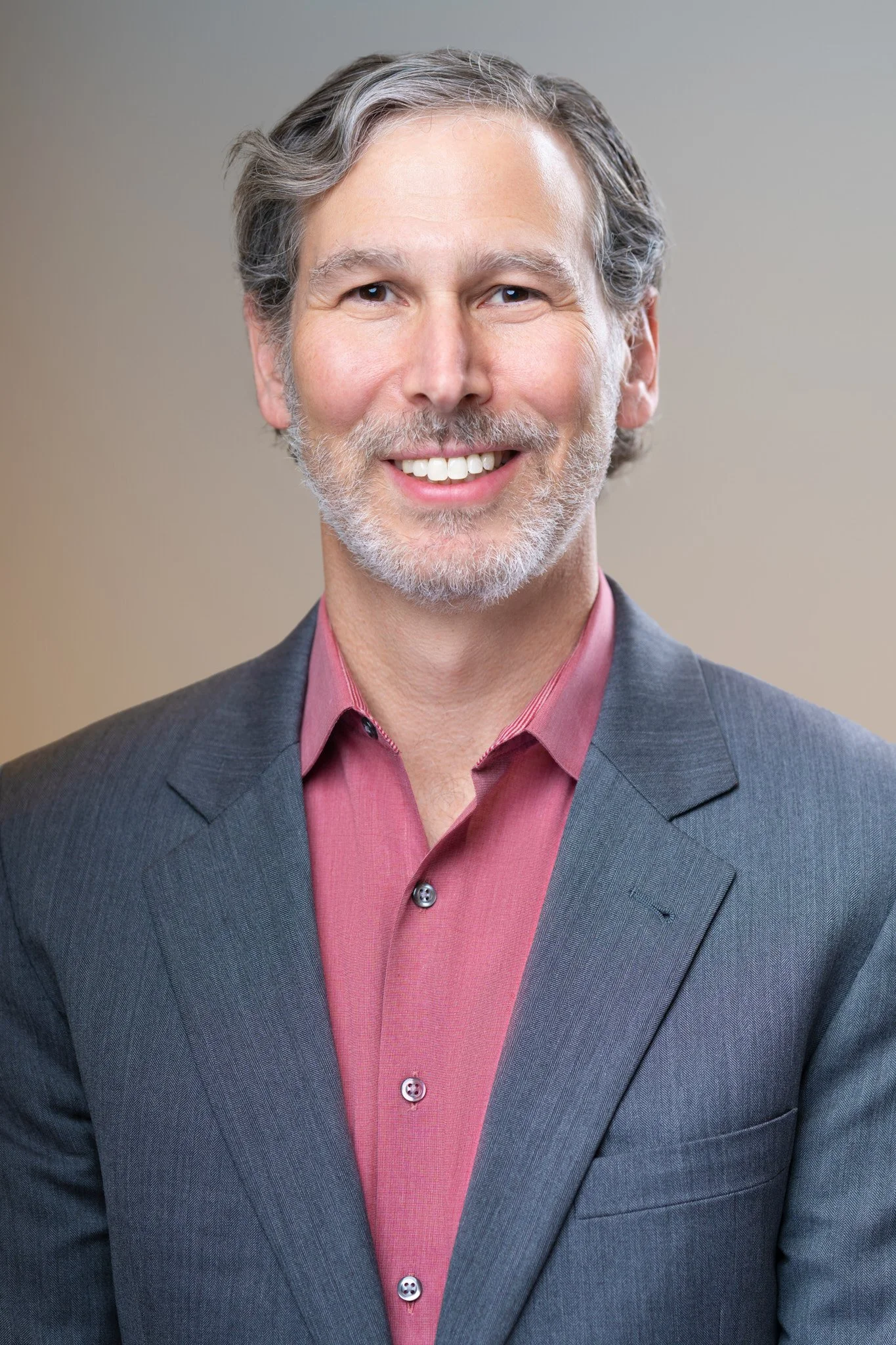
Marc Goldberg is currently the Principal at Skills Strategy Consulting after over thirteen years serving as an associate vice president, dean and director at Portland Community College, Mt. Hood Community College, and Clackamas Community College in Oregon leading workforce development, CTE and adult education partnerships.
Marc received the National Skills Coalition Messenger award in 2024 for his community college and workforce storytelling and advocacy work via the All In: Student Pathways Forward podcast. He is passionate about the transformative impact of community colleges and is currently focused on projects that amplify learner voices to shape inclusive policies and programs.
Navigating the Future
of Workforce Education


Skills Strategy Consulting drives transformation that increases equitable economic mobility across higher education, workforce, and adult education.
PODCAST PARTNERS & SPONSORS